
Galenic forms have always been a key concern for cosmetics brands, with the goal of innovating, standing out, and establishing a new beauty concept... in order to recruit new consumers.
This challenge has clearly been supercharged since the rise of “clean beauty.” We've entered the era of natural, responsible cosmetics, challenged by ethical “consum'actors” and enriched by advances in green ingredients and the inventiveness of laboratories.
First of all, where does the term “galenics” come from?
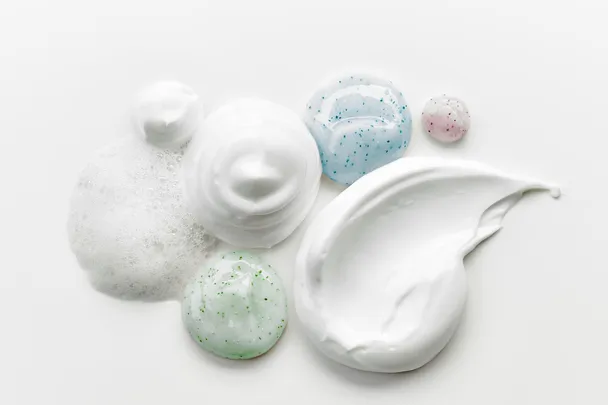
Galenics is a scientific discipline named after a Greek physician, Galen (2nd century AD). It refers to the various forms a cosmetic or pharmaceutical product can take. There are many, including balm, cream, gel, paste, powder, milk, lotion, foam, hydrolat, stick...
These forms fall into three broad families:
- Dispersions: emulsions (creams), foams, milks...
- Anhydrous forms: sticks, balms, powders, oils...
- Aqueous forms: lotions, gels...
Each family meets a use criterion: which galenic form for which practice or product?
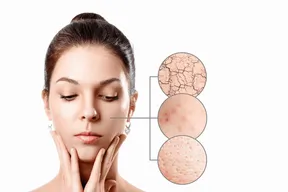
But also a skin type: balm for dry skin, a mattifying fluid emulsion for oily skin... And finally a performance goal: an emollient texture to lastingly replenish the look and feel of the epidermis, a serum texture for a surface tightening effect...
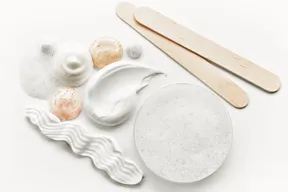
And if the forms are many, the variants are more numerous still. The art of galenics has long highlighted the multisensory role of cosmetics. A gel-cream, a melting balm, a dry oil, a “silicone-like” feel... so many variants that create love at first touch and build customer loyalty.
What are the new trends in galenics?
Naturalness, of course!
This is the huge shift of recent years.
Your options:
- “Clean” formulas with a high naturalness content (>96%), well rated on beauty apps, free of controversial ingredients. This is THE strongest trend, the one consumers seek most: the hashtag “clean cosmetics” already appeared well ahead of “#organic cosmetics,” “vegan cosmetics,” and others, according to a 2018 Visibrain study of social media. For a long time, naturalness was held back by a sensory deficit organic textures perceived as not pleasant enough: hard to absorb, leaving white streaks, heavy, too greasy, with unsubtle fragrances. That's a challenge now won: lovely brands offer especially sensorial textures mousse, whipped-cream creams, memory-shape gels, lotions enriched with petals, textures rich with bits of naturesuited to different skin types and up to 100% naturally derived.
- Certified organic formulas
- Vegan formulas
- With these booming assets:
- terroir-sourced ingredients
- made in France
- local manufacturing
- short supply chains, and more
In the spirit of ever more eco-responsibility, new galenic forms are emerging, built around one essential goal: zero waste, water saving, and lower impact. These are the solid galenics, loose or compacted powders, the beads and sticks you drop into water. They dissolve and recompose a liquid shower gel. Among these “water-free” textures are also balms and oils, which are currently enjoying incredible popularity.
No water, minimal or reusable packaging... everything is designed to meet consumers' expectations for sustainability.
Beyond sensoriality, the galenic form's main role is to be a vehicle for performance
This is what we find in innovations such as:
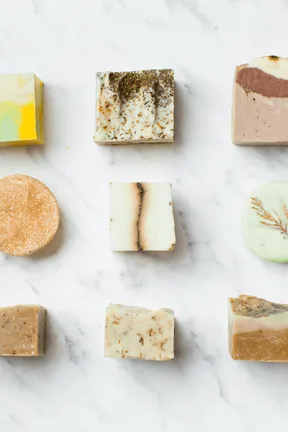
Ce sont les galéniques solides, les poudres libres ou les poudres compactées, ces billes et bâtonnets qu’il convient de plonger dans de l’eau. Ils se dissolvent et recomposent ainsi un gel douche liquide. Parmi ces textures « sans eau », se trouvent aussi les baumes et les huiles qui connaissent actuellement un engouement incroyable.
Exit l’eau, minimum de packaging ou packaging réutilisable…. Tout est réfléchi pour répondre aux attentes des consommateurs en terme de durabilité.
Au-delà de la sensoralité, le rôle principal de la galénique est d’être un vecteur d’efficacité.
Ce que nous retrouvons dans les innovations telles que :
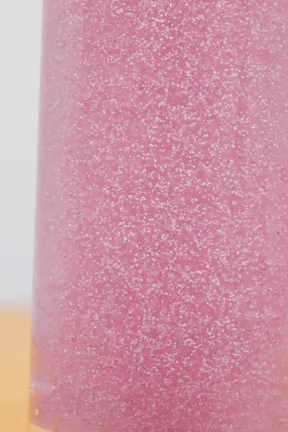
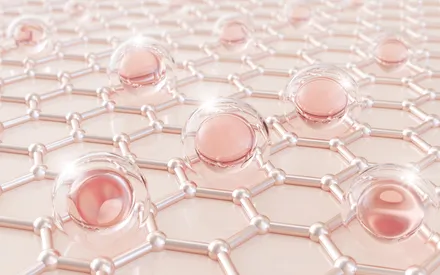
Encapsulation micro-beads that encapsulate and protect ingredients to help deliver them once applied to the skin
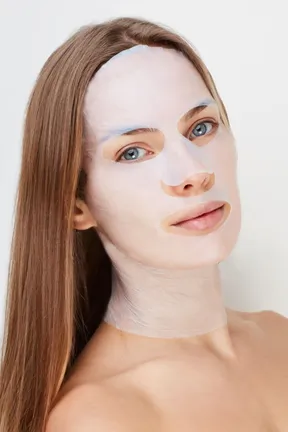
Biocellulose a natural support derived from coconut juice, used as a facial mask; soaked, it can hold up to 10 ml of serum, the equivalent of several weeks of use
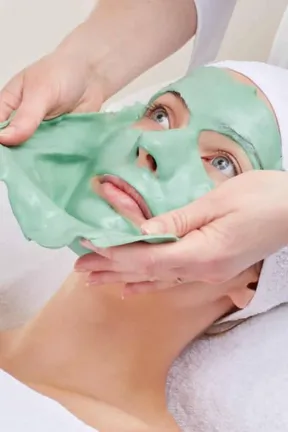
Masks have multiplied their innovative supports: peel-off, alginate “imprint,” organic cotton, biocellulose, leaves and petals
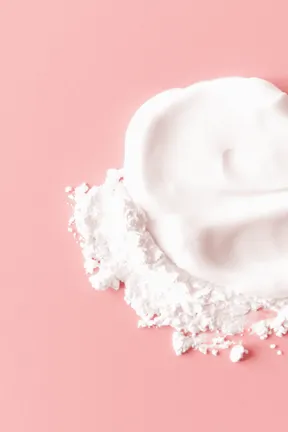
Transforming textures: a lotion that becomes a milk, a cream that becomes an oil, a treatment that pills to exfoliate...
Effect textures: warming, cooling, and tightening... each effect bringing a targeted benefit to the look of the skin
The art of galenics remains an essential pillar of innovation in cosmetics. The second pillar of innovation is packaging, itself strongly rechallenged in recent years. Sensory experience, sustainability, performance: this is the trio that makes sense today, given consumer expectations and brands' need to differentiate. With the green revolution only just beginning, fine innovations lie ahead!