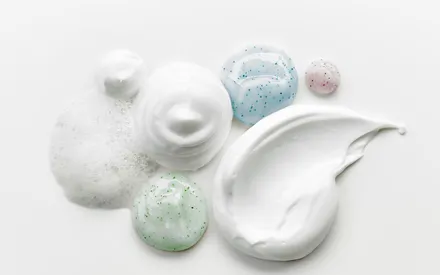

The big challenge for the cosmetics sector in 2021 was once again eco-responsibility and more specifically, innovation to create ever more eco-responsible packaging. The world has entered an environmental emergency, and cosmetics are no exception. It's a need consumers are now widely aware of. They expect commitment and guidance from brands: 90% of those surveyed, according to the European study run by Opinion Way in 2020.
This commitment is now among the key criteria both for buying and for walking away from brands. In this context, cosmetics have given themselves a mission. Brands must prove their “usefulness to the world,” define their “positive contribution,” and put in place at minimum eco-packaging measures. But how, and which choices to make?
Start with the 3 Rs: Recycle, Reduce, Reuse
Recycle or repurpose the materials used
Not all materials have the same recyclability. For plastic, only about 26% is reportedly recycled in France, and barely 10% of recycled plastic is reportedly fed back into manufacturing bearing in mind that you must plan upstream for a mono-material design. Today this recycling can be made easier thanks to new chemical-recycling techniques that overcome the limits of mechanical recycling. Glass has a more reliable channel and is infinitely recyclable, as is aluminum, but both are energy-intensive and carry a CO2 impact.
The aim of this first R is to choose packaging that is both recycled and recyclable, while keeping the various impacts such as energy use and carbon emissions — under control.
Reduce the use of materials and the number of packages
Lightweight glass, thin-walled plastic bottles, fewer outer packs, lighter luxury products...
The alternatives are many. Refills are finally enjoying the success long expected of them and when they're made of recycled plastic, even better.
To reduce is to move toward zero waste: bulk is a great option, as is solid cosmetics, both growing fast.
Reuse instead of throwing away
The refill is the finest example, since the base jar is reused. Today brands turn them into strong points of difference, with attractive jars in clay, cement, or thick glass.
Bulk cosmetics, once again, also allow containers to be reused and have revived the deposit-return system.
Upcycling can be another option, reusing cosmetic packaging for other purposes.
So what are today's eco-innovation advances?
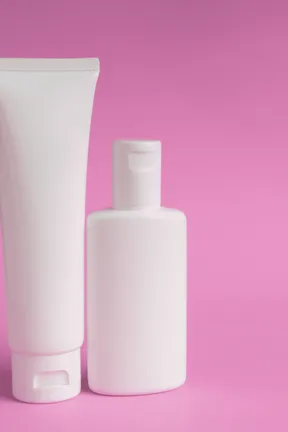
Plastic
An estimated 11 million tonnes of plastic are reportedly dumped into the sea each year. In France, cosmetics account for 5% of plastic packaging (FEBEA). Should we keep using it? The aim is therefore to select recycled (and recyclable) plastic. To that end, manufacturers have diversified their offerings, proposing various concentrations with post-consumer recycled content (household waste) and post-industrial content (industrial waste). There is also ocean-bound plastic, regenerated by pyrolysis before being reintroduced into new production.
Plant-based or biosourced plastic
Made from renewable plant resources such as sugarcane residue, it offers the same protective qualities as conventional PE. It cuts manufacturing CO2 emissions by more than half and can, in some cases, be recyclable in turn. An attractive alternative? The resources usually come from distant countries and require transport. Growing them also uses a lot of water. But biosourced innovation is booming, like the “plastic” created from vegetable oils such as castor oil.

Lightweight glass
Chemically inert, well collected, and easily recyclable — 80% of it is recycled in Europe. However, it takes a lot of energy to produce and has a significant carbon impact. Today manufacturers offer lightweight glass, glass made from 100% recycled content (mostly post-consumer), and, very recently, a carbon-neutral glass.(2)
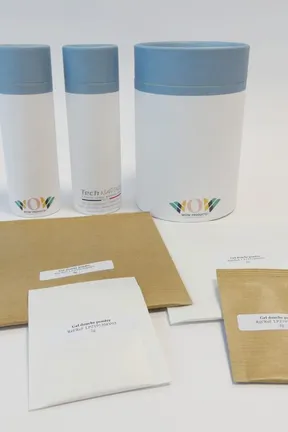
Cardboard and paper
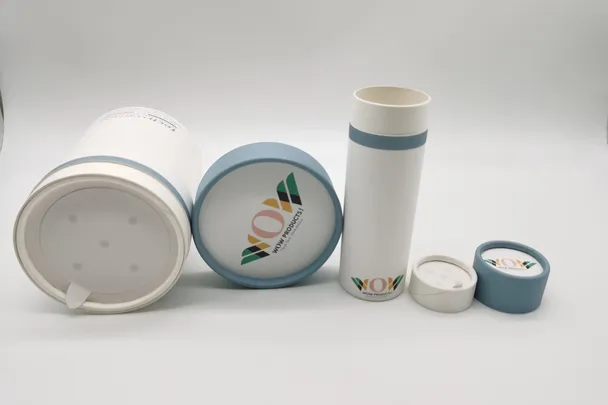
Sustainable paper and cardboard packaging solutions are pouring in. Cream tubes, hygiene bottles whose cardboard outer layer holds a thin recycled-plastic pouch inside... plus new packaging being taken up by young organic and clean brands: a cylindrical tube into which a lip stick is cast, a powder case, a deodorant pack...
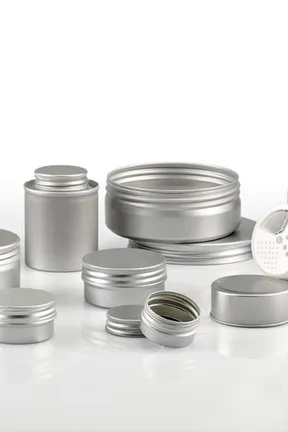
Aluminum
Aluminum is a very interesting material making a comeback among both young brands and major groups: infinitely recyclable and visually striking. Tubes, bottles, jars, caps... it comes in many sizes.
So which solution should we favor? Which is the most eco-responsible?
That's THE big question every brand is asking.
Glass seems the best candidate but did you know it comes from a resource, sand, that is running out? Overused in construction, it is gradually disappearing, even though it's vital for filtering and cleaning water and vital to the ecosystem.
Our level of consumption is such that every alternative will inevitably carry a negative impact because the major problem our civilization faces is overconsumption. That's exactly what Technature does so