
For years, the cosmetics industry structured its product lines around traditional skin types: oily, dry, combination, or dehydrated. However, formula efficacy relies on more than just sebum or hydration levels.
The real R&D game-changer is skin phototype. Developing truly high-performance formulas requires evaluating skin type alongside its biological response to UV radiation and environmental stressors.
From Phototype I to Phototype VI, skin reacts differently:
- Phototypes I to III (Fair Skin): Primary concerns center on UV-induced skin aging (photoaging) and high sunburn susceptibility.
- Phototypes IV to VI (Medium, Deep, and Dark Skin): Naturally protected from UV by eumelanin (though sun protection remains essential), these skin types primarily require targeted solutions for soothing, healing, and hyperpigmentation control.
How can you precisely address the unique needs of every skin tone?
Discover the specifics of the Fitzpatrick scale and key insights for designing tailored formulations.
What Is a Skin Phototype?
Skin phototype is a dermatological classification system (Fitzpatrick scale) that assesses how skin reacts to ultraviolet (UV) radiation and measures its risk of burning or tanning. It categorizes skin into six phototypes based on the amount and type of melanin present in the epidermis.
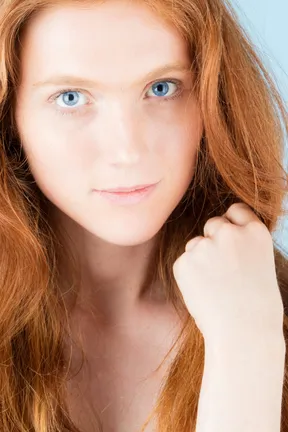
Phototype I: Very Fair, Extremely Sensitive Skin
- Characteristics: Pale or milky skin, frequently with freckles. Blonde or red hair, light eyes.
- UV Response: Always burns, never tans.
- Biological Challenge: Minimal melanin content, dominated by pheomelanin (a red-yellow pigment with limited protection). Maximum risk for photoaging and UV damage.
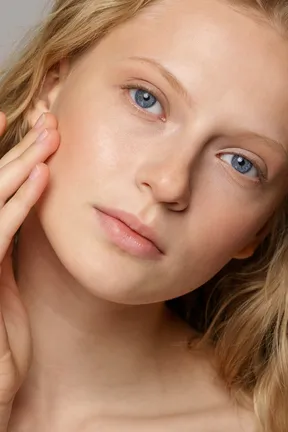
Phototype II: Fair, Highly Sensitive Skin
- Characteristics: Fair skin, occasional freckles. Blonde to light brown hair, blue or green eyes.
- UV Response: Burns easily, tans minimally.
- Biological Challenge: Low melanin production. Tanning remains uneven because pheomelanin provides very limited UV absorption.
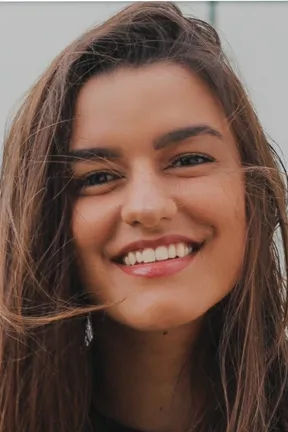
Phototype III: Medium, Moderately Sensitive Skin
- Characteristics: Fair to olive skin, brown or dark brown hair, hazel or brown eyes.
- UV Response: Prone to moderate sunburns, tans gradually.
- Biological Challenge: Balanced mix of pheomelanin and eumelanin. Natural UV protection is higher, but risks of cellular damage and premature aging remain.
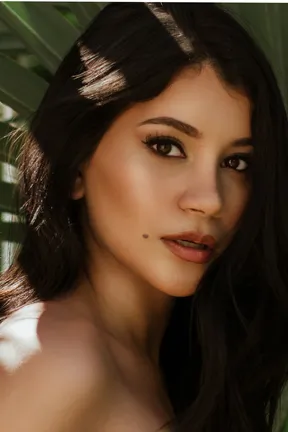
Phototype IV: Olive/Medium-Dark, Low-Sensitivity Skin
- Characteristics: Olive to light brown skin, dark hair, brown eyes.
- UV Response: Rarely burns, tans easily and deeply.
- Biological Challenge: High eumelanin production (protective brown-black pigment). Low risk of sunburn, but predisposed to post-inflammatory hyperpigmentation (PIH).
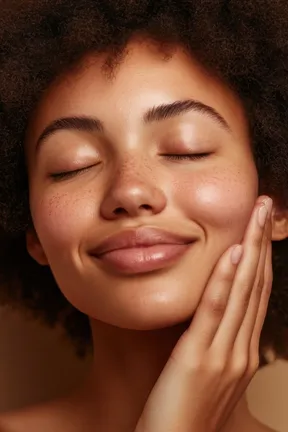
Phototype V : peau brune foncée, très résistante
- Caractéristiques : Peau brune foncée, cheveux noirs, yeux très foncés.
- Réaction aux UV : Bronze rapidement, ne brûle presque jamais.
- Enjeu biologique : Photoprotection naturelle élevée grâce à l'eumélanine. La peau est en revanche très sujette aux taches pigmentaires résiduelles et aux cicatrices hyper-réactives (chéloïdes).
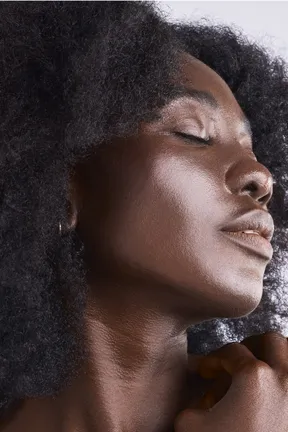
Phototype V: Dark Brown, Highly Resilient Skin
- Characteristics: Dark brown skin, black hair, dark brown to black eyes.
- UV Response: Tans quickly, almost never burns.
- Biological Challenge: High natural photoprotection due to abundant eumelanin. However, skin is highly prone to stubborn hyperpigmentation and reactive scarring (keloids).
Formulating by Skin Phototype: Key R&D Priorities
Designing modern skincare products requires combining skin conditions (dry, oily, dehydrated) with the specific demands of each phototype:
1. Phototypes I to III (Fair Skin)
- Daily UV Shield: Priority focus on preventing premature photoaging.
- Targeted Actives: Integration of ingredients that combat oxidative stress, collagen degradation, and redness.
2. Phototypes IV to VI (Medium, Deep, and Dark Skin)
- Continuous UV Protection: While high eumelanin levels provide natural filtration, daily sunscreen remains essential to prevent worsening hyperpigmentation and dehydration.
- Melanogenesis Regulation & Dark Spot Control: Formulation with active ingredients that target and correct post-inflammatory hyperpigmentation (PIH from acne marks, scars).
- Soothing & Healing: Prioritizing restorative and anti-inflammatory molecules to calm irritation before it triggers pigment overproduction.
- Texture & Galenic Mastery: Developing hydrating formulas with zero white cast and no greasy residue.
Technature's R&D Expertise in Custom Formulation
As a private label cosmetics manufacturer and laboratory, Technature leverages its expertise to support brands in developing universal skincare ranges or targeted products by phototype.
From selecting soothing actives, melanin regulators, and optimized UV filters to creating sheer, cast-free textures, our teams guide you from initial concept to full-scale production.
Looking to develop a custom cosmetics project or a dedicated range for diverse skin phototypes?